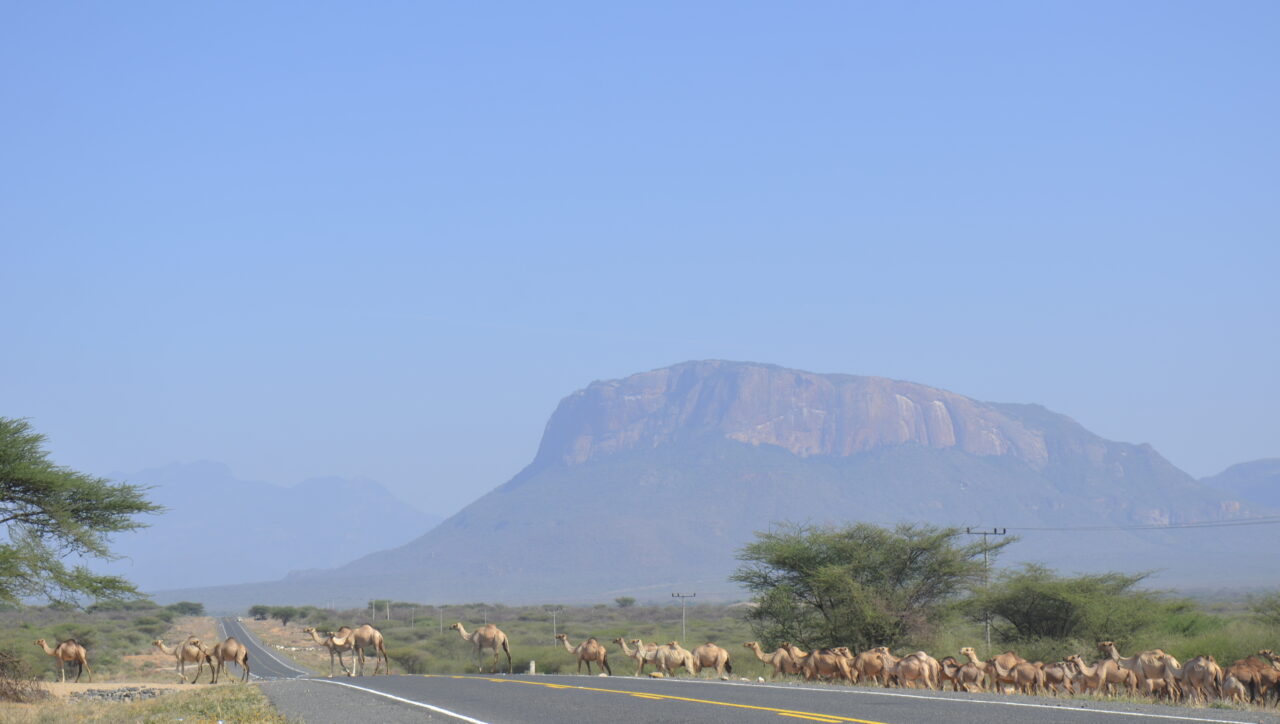

Camping at Mount Ololokwe
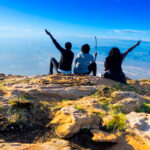
Camping at Mount Ololokwe is one of the best ways to experience the mountain’s dramatic landscapes, rich Samburu culture, and unforgettable sunrise and sunset views. Whether you’re planning a weekend adventure or combining the hike with a northern Kenya safari, an overnight stay allows you to enjoy the mountain at a relaxed pace.
Where to Camp
1. Sabache Camp (Base Camp)
Sabache Camp is the primary campsite for hikers and the usual starting point for the Mount Ololokwe trek.
Facilities may include:
-
Designated camping areas
-
Basic toilets
-
Running water (availability may vary seasonally)
-
Parking
-
Local guides
-
Space for campfires (subject to local regulations)
Camping here allows you to begin your hike early in the morning, when temperatures are cooler.
2. Wild Camping
Wild camping on the mountain is generally not recommended without prior permission from the local community or relevant authorities. Since Mount Ololokwe is a sacred site for the Samburu people and wildlife—including elephants—moves through the area, camping outside designated sites should only be done with local guidance.
Camping Experience
An overnight stay offers:
-
Spectacular sunsets over the Samburu plains
-
Clear, star-filled skies with minimal light pollution
-
Campfire stories and cultural interaction with local Samburu guides
-
A cool, peaceful night compared with the hot lowlands
-
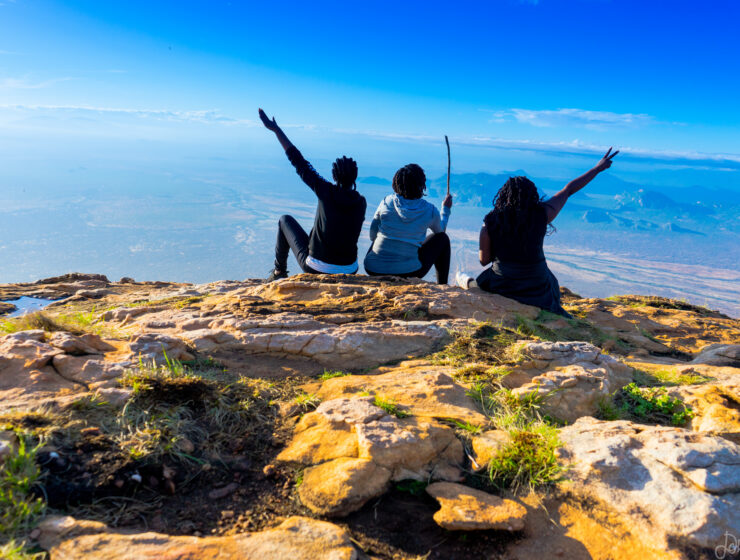
An early sunrise hike to the summit
Typical 2-Day Camping Itinerary
Day 1
-
Depart Nairobi early morning
-
Drive to Archer’s Post and Sabache Camp (approximately 6–7 hours)
-
Set up camp
-
Lunch and relaxation
-
Optional short nature walk
-
Sunset photography
-
Dinner and overnight camping
Day 2
-
Early breakfast (around 5:00–6:00 am)
-
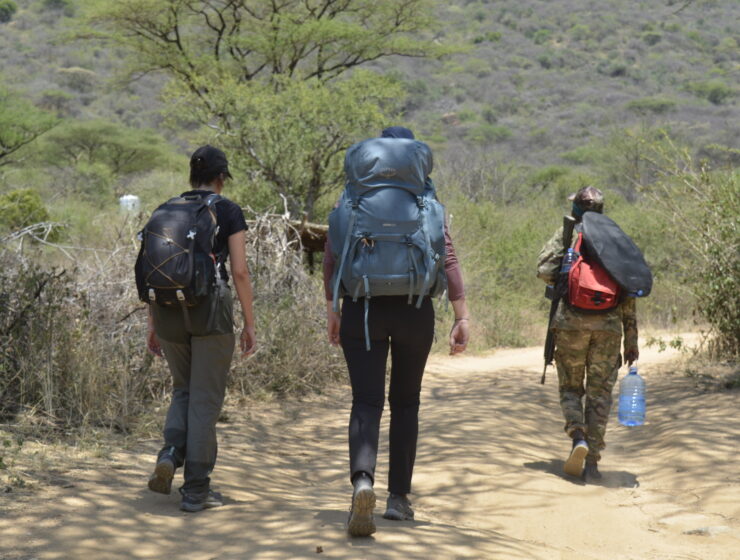
Begin the summit hike
-
Reach the summit in time for morning views
-
Descend to camp
-
Lunch
-
Drive back to Nairobi
What to Bring
Essential camping equipment includes:
-
Four-season or quality three-season tent
-
Warm sleeping bag (comfort rating around 0°C to -5°C)
-
Sleeping mat
-
Hiking boots
-
Headlamp
-
Warm jacket and fleece
-
Rain jacket
-
Hat and sunscreen
-
2–3 litres of drinking water
-
Energy snacks
-
Personal toiletries
-
First-aid kit
-
Camera or binoculars
-
Power bank
Weather
Although the surrounding Samburu plains are often hot (25–35°C during the day), nights at the campsite can be cool, typically between 10–15°C, with even lower temperatures in the early morning. Layered clothing is recommended.
Wildlife and Safety
Wildlife commonly seen around the mountain includes:
-
Elephants
-
Rock hyraxes
-
Baboons
-
Vervet monkeys
-
Klipspringers
-
Numerous bird species
For safety:
-
Camp only in designated areas.
-
Keep food securely stored.
-
Avoid walking alone at night.
-
Follow your guide’s instructions, especially regarding wildlife.
-
Leave no trace by taking all rubbish with you.
Best Time for Camping
The ideal months are:
-
January to March
-
June to October
These periods usually offer dry trails, pleasant temperatures, and excellent visibility.
Why Camp at Mount Ololokwe?
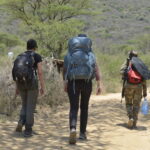
Camping transforms the hike into a more immersive experience. Instead of rushing through the climb, you’ll have time to enjoy the quiet atmosphere, stargaze under northern Kenya’s clear skies, witness a memorable sunrise over the Samburu landscape, and connect with the culture and hospitality of the local Samburu community. It’s an excellent option for photographers, nature lovers, and hikers seeking a less-crowded adventure than Kenya’s more famous mountain destinations.
3 Comments
Id vim facilis ceteros percipit, altera phaedrum sea at, te alia novum praesent sit. Ne justo mazim delenit eam, pri ex brute interpretaris, invenire.
Praesent finibus congue euismod. Nullam scelerisque massa vel augue placerat, a tempor sem egestas. Curabitur placerat finibus lacus.
Ut enim ad minim veniam, quis nostrud exercitation ullamco laboris nisi ut aliquip ex ea commodo consequat. Duis aute irure dolor in reprehenderit.